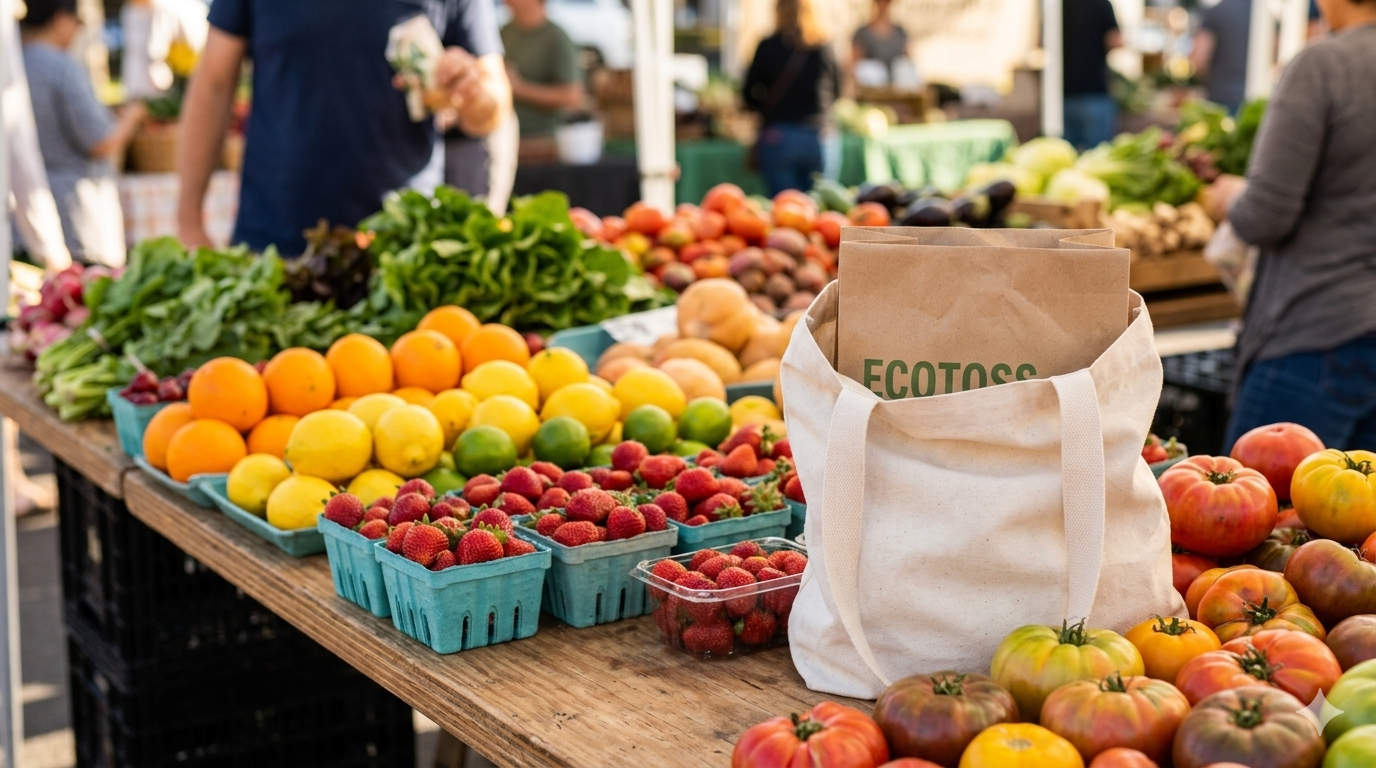
There's something about a San Diego farmers market that makes you want to cook. The colors alone — blood oranges stacked in pyramids at the Little Italy Mercato, just-picked strawberries from a Carlsbad farm, bundles of herbs still damp from the morning — make you grab more than you planned.
And then Wednesday rolls around and half of it is still sitting in the crisper drawer.
If you shop San Diego's farmers markets regularly, you already care about where your food comes from. This guide is about what happens to it after you get home — and how to make sure none of that beautiful, locally grown produce ends up in a landfill.
San Diego Has Some of the Best Farmers Markets in California
Before we get into the kitchen, let's appreciate what we have access to.
San Diego's oldest and largest farmers market, Hillcrest has been going strong since 1997, with over 175 vendors and more than 10,000 visitors each week. Every Sunday morning it stretches down the street with everything from seasonal stone fruit to small-batch hot sauce.
The Little Italy Mercato runs every Saturday from 8 a.m. to 2 p.m. and every Wednesday from 9:30 a.m. to 1:30 p.m., year-round, rain or shine — San Diego County's largest Saturday market, filling six city blocks with farm fresh produce, pastured eggs, poultry, meat, and fish from California farmers.
The Ocean Beach market pairs live bands and local art with fresh produce in a laid-back beach setting, while North Park draws grass-fed beef, pastured chickens, and urban families on Thursday afternoons. And if you're further north, La Jolla's Open Aire Market on Sundays draws over 120 vendors with a more refined, gourmet feel.
The point is: San Diego residents have access to extraordinary fresh food, grown locally, with a fraction of the food miles of supermarket produce. Letting it go to waste is the worst possible ending to that supply chain.
Why Farmers Market Food Goes to Waste (And It's Not Your Fault)
Produce from farmers markets is often picked closer to peak ripeness than grocery store equivalents — which is exactly what makes it taste better. It also means it moves faster. The strawberries that looked perfect on Saturday might be soft by Tuesday. The bunch of kale you grabbed on impulse needs a plan by Thursday.
A few common patterns that lead to waste:
Impulse buying without a plan. The farmers market experience is designed to delight — and it works. You leave with more than you intended. Without a rough meal plan for the week, gorgeous produce becomes a source of guilt by Friday.
Improper storage. Most people store everything the same way. In reality, tomatoes should never go in the fridge, herbs last longer standing upright in a glass of water, and stone fruit continues to ripen on the counter.
Not knowing what to do with scraps. Carrot tops, fennel fronds, citrus peels, broccoli stems — these get tossed as a reflex, even though most are edible or compostable.
Portion mismatch. Farmers markets often sell by the bunch or by weight. A full bunch of Swiss chard might be more than one or two people can eat before it wilts.
Step 1 — Shop With a Loose Plan
You don't need a rigid meal plan. You need a rough skeleton for the week before you go.
Think in terms of two or three anchor meals that use fresh produce, and then plan to be flexible with what looks best at the market. If you planned for roasted root vegetables but the summer squash is stunning, swap it. The idea is to arrive with a framework so you're buying with purpose rather than pure impulse.
A practical trick: before you leave for the market, do a quick check of your fridge. Know what you're already working with. Your market haul should complement what's there, not compete with it.
Step 2 — Store Everything Correctly
Proper storage is the single biggest variable between a week of great meals and a drawer full of limp vegetables. Here's a quick reference for common farmers market finds:
Keep at room temperature (not the fridge):
- Tomatoes — cold kills their flavor and texture
- Stone fruit (peaches, plums, nectarines) — ripen on the counter, then refrigerate once ripe
- Avocados — refrigerate only once ripe
- Winter squash and sweet potatoes — cool, dark pantry, not the crisper
Refrigerate in a breathable bag or wrapped loosely:
- Leafy greens — wash, dry, wrap in a paper towel, and store in a container or bag
- Fresh herbs (most) — wrap in a barely damp paper towel, seal in a bag
- Broccoli, cauliflower, Brussels sprouts
Stand upright in water like flowers:
- Asparagus — trim the ends, stand upright in a jar with an inch of water, cover loosely with a plastic bag
- Fresh herbs like parsley, cilantro, and basil — basil actually does better at room temperature
Freeze before they go bad:
- Overripe bananas (perfect for baking)
- Berry gluts — freeze flat on a baking sheet, then transfer to a bag
- Blanched greens — spinach, kale, and chard freeze beautifully for smoothies or soups
- Corn — cut from the cob and freeze raw
Step 3 — Use the Scraps You'd Normally Throw Away
This is where zero-waste cooking gets genuinely interesting. Most of what we reflexively discard is edible — or at minimum, compostable.
Vegetable scraps → stock. Keep a freezer bag and toss in onion skins, celery tops, carrot peels, herb stems, mushroom stems, and corn cobs as you cook through the week. When the bag is full, simmer everything with water for 45 minutes for a rich, free vegetable stock. Strain and freeze in ice cube trays for easy use later.
Citrus peels → zest or infusions. Before you juice a lemon or lime, zest it first. Freeze the zest flat in a bag for baking or cocktails. Citrus peels also make excellent cleaning sprays when steeped in white vinegar for two weeks.
Broccoli stems → a whole vegetable. The stem is just as nutritious as the florets. Peel off the tough outer skin and slice into coins for stir-fry, or cut into sticks for roasting. They take on a sweet, almost nutty flavor when roasted hot.
Fennel fronds → herb replacement. The feathery fronds have a lighter anise flavor than the bulb. Use them anywhere you'd use fresh dill — on fish, in salads, or as a garnish.
Strawberry tops → strawberry water. Rather than tossing them, steep the hulls in a pitcher of water overnight in the fridge. The result is a lightly flavored strawberry water that's genuinely delicious.
Carrot tops → pesto. Blanch briefly to reduce bitterness, then blend with garlic, olive oil, parmesan, and pine nuts. Carrot top pesto is earthy and herbal — excellent on pasta or spread on toast.
Step 4 — Compost What Can't Be Used
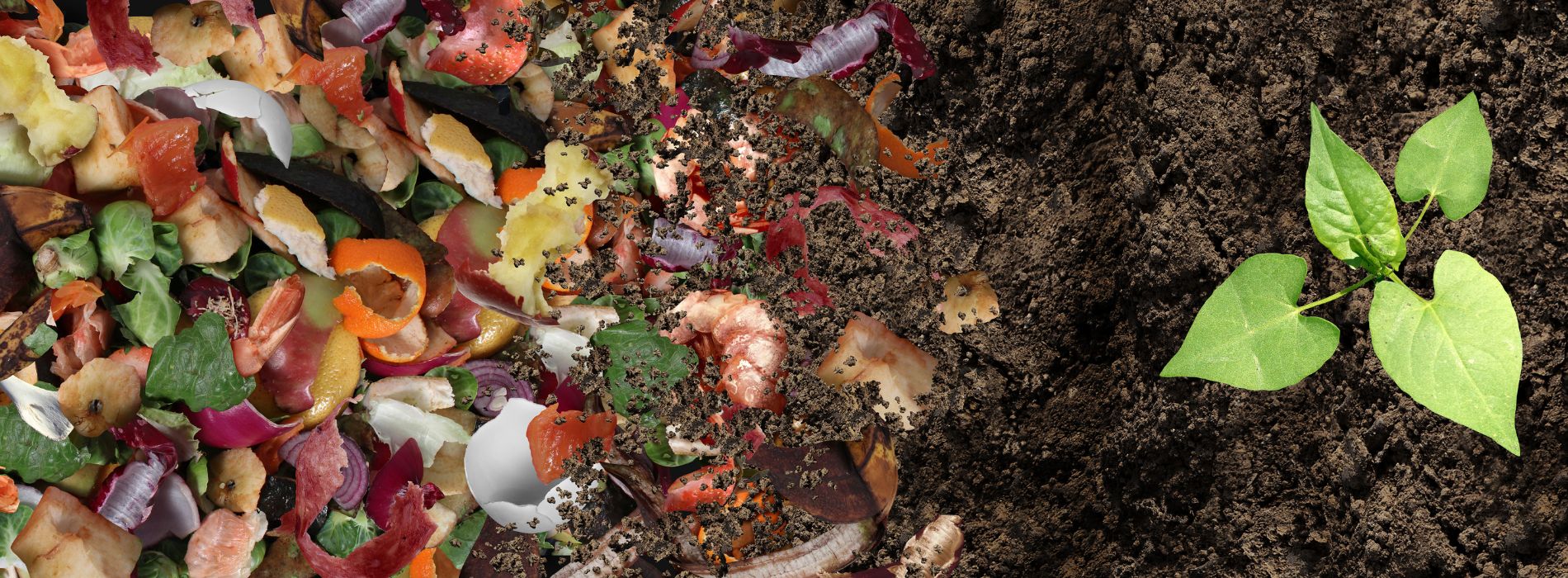
Even with smart shopping, proper storage, and creative cooking, some scraps will always remain — avocado pits, fish bones, eggshells, citrus that got too far gone, bread ends nobody wanted. That's where composting closes the loop.
In San Diego, your green bin is the mechanism. Under California's SB 1383, every resident is required to divert food scraps from the trash and into organic waste collection. Your green bin gets picked up weekly, and the contents are processed at Miramar Greenery into finished compost — some of which is given back to San Diego residents for free.
The friction point for most people is keeping a kitchen pail that doesn't turn into a mess. This is where an EcoToss paper food waste bag makes a real difference. Line your counter pail with one before the week starts, and as you cook your way through your farmers market haul — peels, cores, tops, spent herbs, eggshells — everything goes in. The paper absorbs moisture and keeps the pail clean. When it's full, drop the whole bag directly into your green bin, no rinsing needed.
Unlike plastic or bioplastic bags (which are actually prohibited in San Diego's green bin and cause contamination at Miramar Greenery), EcoToss bags are 100% paper — accepted by the facility, no residue, no microplastics. It's the detail most San Diegans don't know, and it's the difference between composting that works and contamination that undermines the whole program.
The Full Farmers Market Loop
Here's what zero food waste actually looks like in practice for a San Diego shopper:
Saturday morning: You hit the Little Italy Mercato. You have a rough plan — roasted chicken thighs one night, a grain bowl another, and a pasta using whatever looks good. You buy accordingly. You also grab a bunch of rainbow carrots because they're gorgeous.
Saturday afternoon: You put the chicken in a brine, store the greens wrapped in paper towel, and leave the tomatoes on the counter. You zest the lemons before putting them in the fridge.
Tuesday: The carrot tops go into a pesto. The broccoli stems get sliced and roasted alongside the florets. Herb stems from the week go into the freezer bag for stock.
Thursday: A few things at the bottom of the crisper are going. Into the EcoToss bag they go — wilted herb ends, a lime that got away from you, coffee grounds from the week.
Friday, trash day: The EcoToss bag goes into the green bin. Everything you couldn't eat becomes compost instead of methane.
That's the loop. Thoughtful buying, smart storage, creative cooking, and composting whatever remains. San Diego's farmers markets give you some of the best ingredients in the country. This is how you do them justice.
Quick Reference: Zero Waste Farmers Market Checklist
Before you go:
- Check what's already in the fridge
- Plan 2–3 anchor meals loosely
- Bring reusable bags and produce bags
When you get home:
- Zest citrus before refrigerating
- Wrap leafy greens in paper towel before storing
- Leave tomatoes and stone fruit at room temperature
Throughout the week:
- Toss vegetable trimmings in a freezer bag for stock
- Use stems, fronds, and tops before buying more
- Freeze anything that won't get eaten in time
At the end of the week:
- Everything you can't use or freeze goes in the EcoToss bag in your green bin
- Rinse and reset your kitchen pail for next week
San Diego's farmers markets are a gift. Shop them well, store things right, use every part, and compost what's left. The loop is complete — and nothing goes to waste.
Make composting the easiest part of your week. Shop EcoToss paper food waste bags →